Your first dance festival: the complete guide
Workshops, socials, passes, where to stay, what to pack and how to behave on the dance floor: everything you need to enjoy your first kizomba, salsa, bachata or zouk festival and come home already planning the next one.
26 sept. 2026 · 11 min de lecture
So you're thinking about your first dance festival. Maybe you've already booked, maybe you're still hovering over the "buy pass" button. Either way, it's normal to feel a little nervous: new city, new faces, a schedule packed from morning to sunrise, and a set of unwritten rules nobody explains. The good news is that a bit of preparation goes a long way. This guide walks you through everything, from picking the right event to getting the most out of it once you're home.
Festival, congress, weekender: what's the difference?
The social dance world uses a few different words for events that look quite similar.
- Festival: a multi-day event, usually Friday to Sunday, bringing together dancers from many cities and often many countries.
- Congress: a term you'll hear a lot in salsa and bachata. It usually means a large event with lots of teachers, several rooms and plenty of shows.
- Weekender: typically smaller and more relaxed, sometimes focused on the parties, with fewer classes and a friendly, laid-back feel.
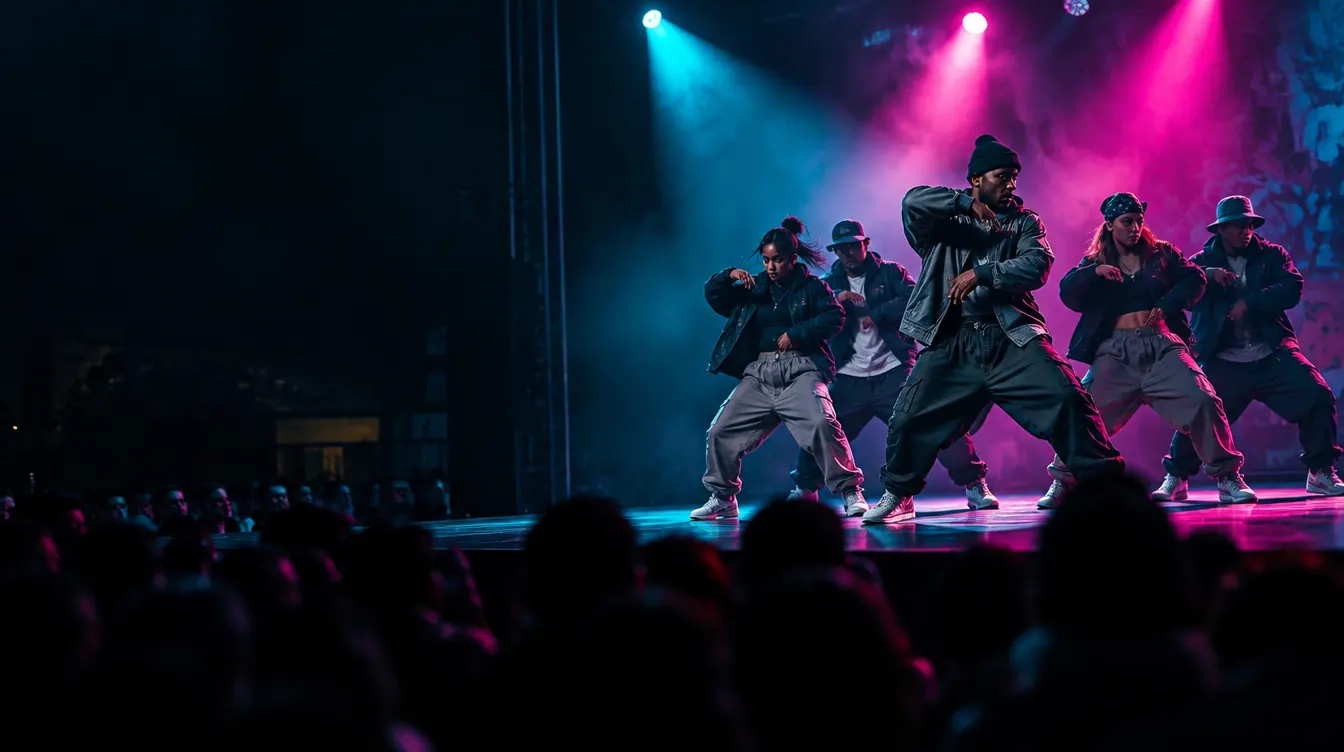
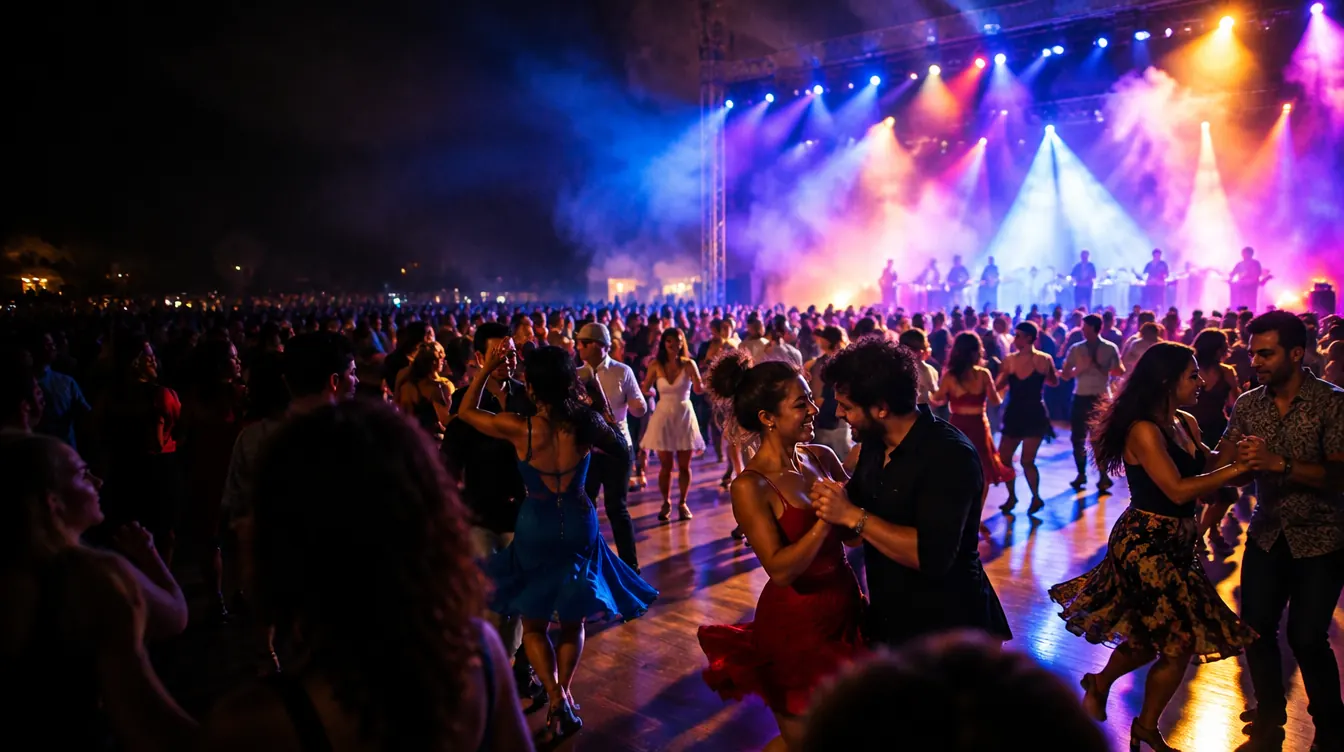
The core recipe is the same everywhere. By day, you take workshops (classes of roughly an hour) with guest instructors. By night, there are shows followed by socials: long dance parties where anyone can invite anyone, often until the early hours. Some events add pool parties, bootcamps, competitions or themed nights on top.
Choosing your first festival
The best first festival isn't necessarily the biggest or the most famous one. It's the one that fits your level, your style and your wallet.
What really matters
- Style: kizomba, urbankiz, semba, salsa, bachata, zouk, hip-hop and more. Some festivals focus on a single dance, others mix several. For a first experience, an event centred on your main style tends to feel more comfortable.
- Size: big events offer more choice and more shows, but they can feel overwhelming. At a smaller festival, you'll start recognising faces by day two.
- Level: check whether the programme includes beginner or improver classes. Some events are clearly aimed at advanced dancers.
- Distance: a festival close to home means less travel fatigue and lower costs. It's a great way to test the format.
- Budget: passes, travel, accommodation, food. More on that below.
- Dates: if you can, avoid a hectic week just before or just after. You'll need energy going in and a little recovery time coming out.
Finding the right event on WeGoDance
On WeGoDance, the festival calendar brings together events from all over the world with verified dates. Filter by style, country and time of year, then switch to the map to see what's within reach.
Already know what you want to dance? The style pages save you time: kizomba festivals, salsa festivals and bachata festivals.
Prefer to just ask? Try Ask AI. Type what you're looking for the way you'd say it to a friend:
A beginner-friendly kizomba festival in Europe this spring, ideally a short flight from London.
Ask AI suggests festivals that match your request. Then open each festival page to check the programme and practical details before you commit.
Passes, explained
Every festival sets its own options, but you'll usually come across the same types.
- Full pass: access to everything, including workshops, shows and parties. If you want to learn as well as dance, it's the natural choice for a first festival.
- Party pass: parties only (sometimes shows too). Perfect if you're mainly there for social dancing.
- Day or night pass: a handy way to try an event without committing to the whole weekend.
- Early bird: a discounted price for people who book early. Prices usually go up in stages as the event gets closer, so it pays to decide sooner rather than later.
As for levels, some festivals run short level tests on arrival, while others ask you to choose a level when you register. Be honest with yourself: a level slightly below where you think you are often helps you absorb more, while a level that's too high can be discouraging fast. And before you pay, read the cancellation and pass transfer policy carefully.
Getting there and where to stay
The festival hotel or somewhere nearby?
Many festivals take place in a partner hotel or offer special rates at a hotel close by.
- Staying at the festival hotel: you can pop upstairs to rest between classes, change before the party and walk back to bed when the social ends. For a first festival, that convenience is hard to beat.
- Staying nearby: often cheaper and sometimes quieter. Just check how long it takes to get there and how you'll get back late at night.
Every festival page on WeGoDance has an "Around the festival" section that shows nearby hotels right on the map. You can see distances at a glance and compare a few options before you book.
Sharing a room
Sharing with friends from your local classes, or with dancers you've met online, cuts costs significantly. Agree on the basics beforehand: sleep schedules, how you'll split the bill and any house rules. Some people go to bed at 4 am, others want to be fresh for the 10 am class, and it's much better to know that in advance.
Arrive the day before
If you can, arrive the day before things kick off, or early on the first day. You'll pick up your wristband without rushing, find your way around the venue and start the weekend rested instead of stressed about a delayed train.
Your budget checklist
Every festival and every trip is different, so rather than numbers, here are the categories to plan for:
- Your pass (plus any extras such as a bootcamp, private lessons or a special party)
- Return travel (train, flight, fuel, tolls, parking)
- Getting around locally (late-night taxis or rideshares, shuttles, public transport)
- Accommodation
- Food and drinks (water at the parties can add up more than you'd expect)
- Dance shoes or any small gear you're missing
- Photos or videos offered by the event photographers
- A small buffer for the unexpected
Tip: add each item to a simple spreadsheet as soon as you book. You'll always know exactly where you stand.
What to pack
A festival dancer's suitcase is a little different from a regular weekend bag. Here's what we recommend:
- Your dance shoes, already worn in and comfortable. Never break in a new pair at a festival.
- A spare pair, in case one starts hurting or the floor changes from room to room.
- Comfortable walking shoes for getting between the hotel and the venue.
- Several tops: plan to change during the night. A fresh, dry top makes a real difference, for you and for your partners.
- A fan, which you'll be grateful for when the rooms heat up.
- Deodorant, travel size, to keep in your bag.
- Mints or chewing gum.
- A water bottle so you can keep drinking.
- Plasters, especially for blisters.
- Earplugs, for sleeping in a lively hotel or protecting your ears near the speakers.
- A small towel to freshen up between dances.
- A phone charger, and ideally a power bank.
- A small bag to keep your essentials on you during the parties.
- An outfit for a themed night, if there is one (check the programme).
At the festival: making the most of it
Workshops
- Arrive early: you get a good spot, you can hear the teacher properly and you start calm.
- Rotate partners when you're asked to. Rotation is part of the learning: you get used to different styles, heights and energies.
- Ask questions, at the right moment, often at the end of class. Teachers love curious students.
- Take quick notes after each class, or ask whether a recap video is allowed at the end.
- Don't try to do everything. Three classes with full attention beat six classes running on empty.
Socials
This is often the heart of the festival, and it's where the etiquette matters most.
- Inviting: eye contact, a smile, an open hand, a simple "Would you like to dance?" That's all it takes.
- Accepting: if you say yes, commit to the whole song, even if it's not your favourite track.
- Declining politely: you're allowed to say no, and you don't owe anyone an explanation. "No thanks, I'm taking a break" is enough. And if someone turns you down, don't take it personally: they might be tired, thirsty or waiting for a friend.
- Floor etiquette: stay in your space, keep your movements smaller when the floor is crowded and avoid cutting through the middle of other couples.
- Hygiene: shower before the party, wear deodorant, keep your breath fresh and change your top once you're sweating a lot. It's basic respect.
- Consent: closeness, embrace and intensity are offered, never imposed. Pay attention to your partner's signals and respond immediately if they seem uncomfortable. If something goes wrong, speak to the organising team.
- Say thank you: a genuine "thank you" at the end of a dance always lands well.
- Don't teach on the social floor: a party isn't a workshop. Correcting a partner who didn't ask for it kills the fun. If something isn't working, simplify your own dancing instead.
Pacing yourself
A festival is a marathon, not a sprint.
- Sleep: accept that you can't do it all. Going to bed a little earlier one night can save the rest of your weekend.
- Food: eat proper meals. Dancing for hours on an empty stomach is a bad idea.
- Hydration: drink water regularly, well before you feel thirsty.
- Recovery: gentle stretching, feet up, a warm shower. Listen to your body, especially if something hurts in an unusual way.
Shows and competitions
Don't skip the shows: they're a huge source of inspiration and often a highlight of the weekend. If there's a competition, go and cheer, even if you're not taking part. You'll discover new ways of dancing and get a better feel for the wider world of your style.
Meeting people
Going to a festival on your own is very common, and the community is generally welcoming. A few simple habits make it even easier.
- Find a dance buddy or two: people you meet up with between classes, for meals or on the way to the parties.
- Use "Shall we dance?" on WeGoDance. This feature lets you show that you're available to dance at a specific festival. Other members know they can invite you, and you can see who else is going. It's a reassuring way to arrive already knowing a few names.
- Send a message to organisers or fellow attendees directly on WeGoDance, whether to ask a practical question, arrange a room share or just say hello before the event.
After the festival
The post-festival blues are real. That's normal, and honestly a good sign.
- Practise what you learned: go back over your notes and any permitted videos, then pick two or three things to focus on in your regular classes.
- Stay in touch with the people you met. Festival friendships often last well beyond the weekend.
- Keep dancing locally: check where to dance near you to find parties and classes between festivals.
- Pick your next one: you now know what you enjoyed, which event size suits you and which pass makes sense. Head back to the festival calendar and start planning.
FAQ
Do I need a partner?
No. Most workshops use partner rotation, and socials run on open invitations. Coming without a partner is completely normal.
What level do I need?
Many festivals offer classes across several levels, including beginners. Check the programme before you book. If you're comfortable with the basic steps and a few simple moves, you'll already be able to enjoy the parties.
Can I go alone?
Absolutely, and it's one of the best ways to meet people. Turn on "Shall we dance?" on WeGoDance to let others know you'll be there, and chat with the people around you in class.
Do I have to take every class?
Not at all. Pick the workshops that suit you and save some energy for the nights. Learning a little, well, beats learning a lot, badly.
How do I know a festival's dates are reliable?
Festival dates on WeGoDance are verified. For details that can change, such as the programme or timings, also check the organiser's official information.
Final thoughts
Your first dance festival doesn't need to be perfect to be unforgettable. Choose an event that matches your level, pack with care, respect the floor and keep an open mind. The rest will come naturally, one dance at a time.
Ready to go? Browse the festival calendar, explore kizomba festivals, salsa festivals or bachata festivals, ask Ask AI what you're looking for, then switch on "Shall we dance?" so the dance floor is already waiting for you. See you there.